Who We Are
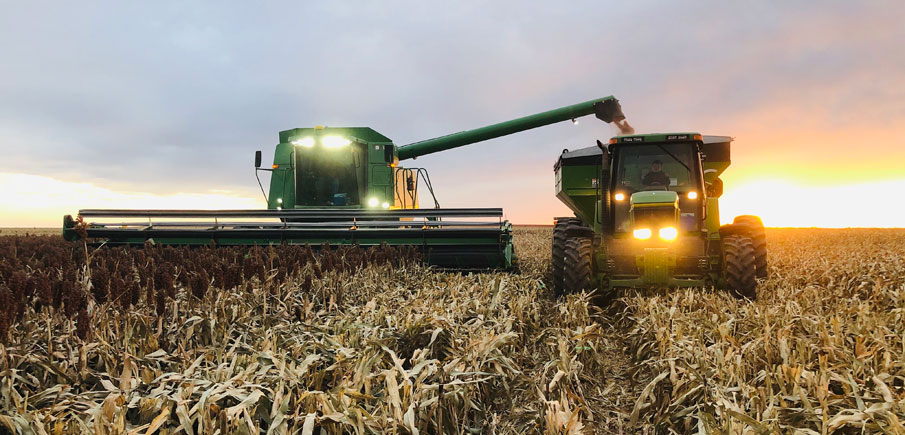
Casey Farms was established in 1878 in the Corning Township, Rooks County, Kansas. We are a family farming operation driven by six generations of hard work. Our goal is to be good stewards of the land.
North Central Kansas is a semi-arid climate. With only twenty-two inches of rainfall annually, we are a dryland farming operation. Our primary crops are hard red winter wheat and grain sorghum. We have raised a limited number of soybean and corn acres. We also raise triticale, oats, millet, and other forages. Those secondary crops are used to support our stocker cattle operation.
Farming and Ranching Operation
We strive to find better ways to improve our farming practices through continued education and experience. Farming is ever evolving. For the last 100+ years we have advanced from mechanical tillage to no-til practices and are already embracing the future of farming, including technology that focuses on an acre-by-acre approach or even more granular.
Cattle Operations
Our ranching operation specializes in backgrounding light‑weight stocker cattle, typically in the 550–600 lb. range, on grass. During the summer months, our focus is on adding weight and preparing the animals for their next stage in the beef production cycle: feedlot finishing. The backgrounding phase plays a vital role in the overall beef supply chain. Our commitment is to raise high‑quality beef, prioritize cattle health and welfare, and deliver an exceptional final product for consumers.
Crop Production
Kansas has long been known as the “breadbasket of the world,” and our family farm has contributed to that legacy by producing world‑class wheat for nearly 150 years. In addition to wheat, our spring crops include grain sorghum, corn, and soybeans. We also grow triticale, oats, millet, and other forage crops, which play a key role in supporting our stocker cattle operation. These diverse crops allow us to maintain a resilient farming system that adapts to changing weather, markets, and livestock needs.
Land Stewardship
Land management is our single most important priority. We utilize no-till practices on our sorghum, corn, and soybean acres. This ensures minimal erosion and runoff. In addition, we frequently sample soil to ensure proper nutrients and fertility. In years when soil moisture is available, we use cover crops. In addition, we have won two local soil conservation awards and value our finite water resources.
Weather
Kansas is known for its highly variable climate. A typical day brings plenty of sunshine and wind, with summers that can be extremely hot and winters that can be bitterly cold. Rapid temperature swings are common, and the transition between seasons—especially in spring and fall—can happen almost overnight. Farming and ranching in Kansas has always demanded resilience, adaptability, and a willingness to face adversity head‑on.
YEAR ESTABLISHED
YEARS OF EXPERIENCE
FARM GENERATIONS
SOIL CONSERVATION AWARDS
Latest News from Our Blog
Average Yields, High Input Costs — Still Not Enough
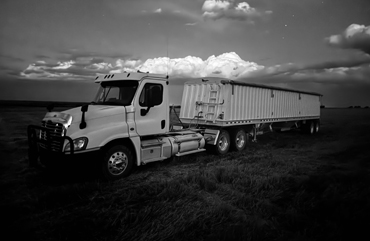
The problem with wheat isn't entirely production or even current price. It is fertilizer, chemical, fuel, and application costs. Crop inputs have stayed elevated and commodity prices struggled to keep pace. As a result the P/L gap hasn't closed meaningfully and wheat is underwater. That's the frustrating reality of farming wheat right now.
Hope Won't Save the Kansas Wheat Crop
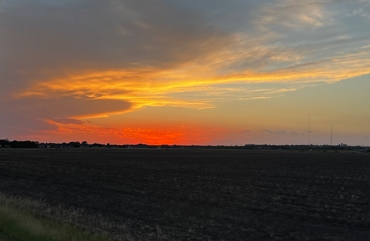
Kansas doesn't need another optimistic weather forecast. It needs rain — and it needed it two weeks ago! Across the state, winter wheat is slipping from concern into dire consequence. Freeze damage impacted some areas. Drought is taking the rest. The uncomfortable truth is this: the Kansas wheat crop is in jeopardy.
USDA sends shockwaves through grain markets
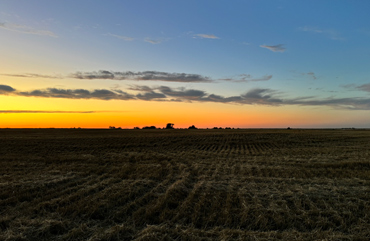
The January 2026 USDA World Agricultural Supply and Demand Estimates (WASDE) report delivered a series of major shocks that sent the corn/sorghum markets sharply lower, driven largely by unexpected increases in acreage, yield, and overall production. So, where does that leave Kansas farmers/ranchers? Essentially it moves a bad economic situation into a worse one, as corn dropped 22 cents in one day.